
Seasonal
Autumn Lawn Prep Sydney: 6 Things to Do Before Winter
A Sydney-specific autumn lawn checklist — aeration, last fertilise, leaf clearance, mowing height, watering and weed timing. What kikuyu and buffalo each need.
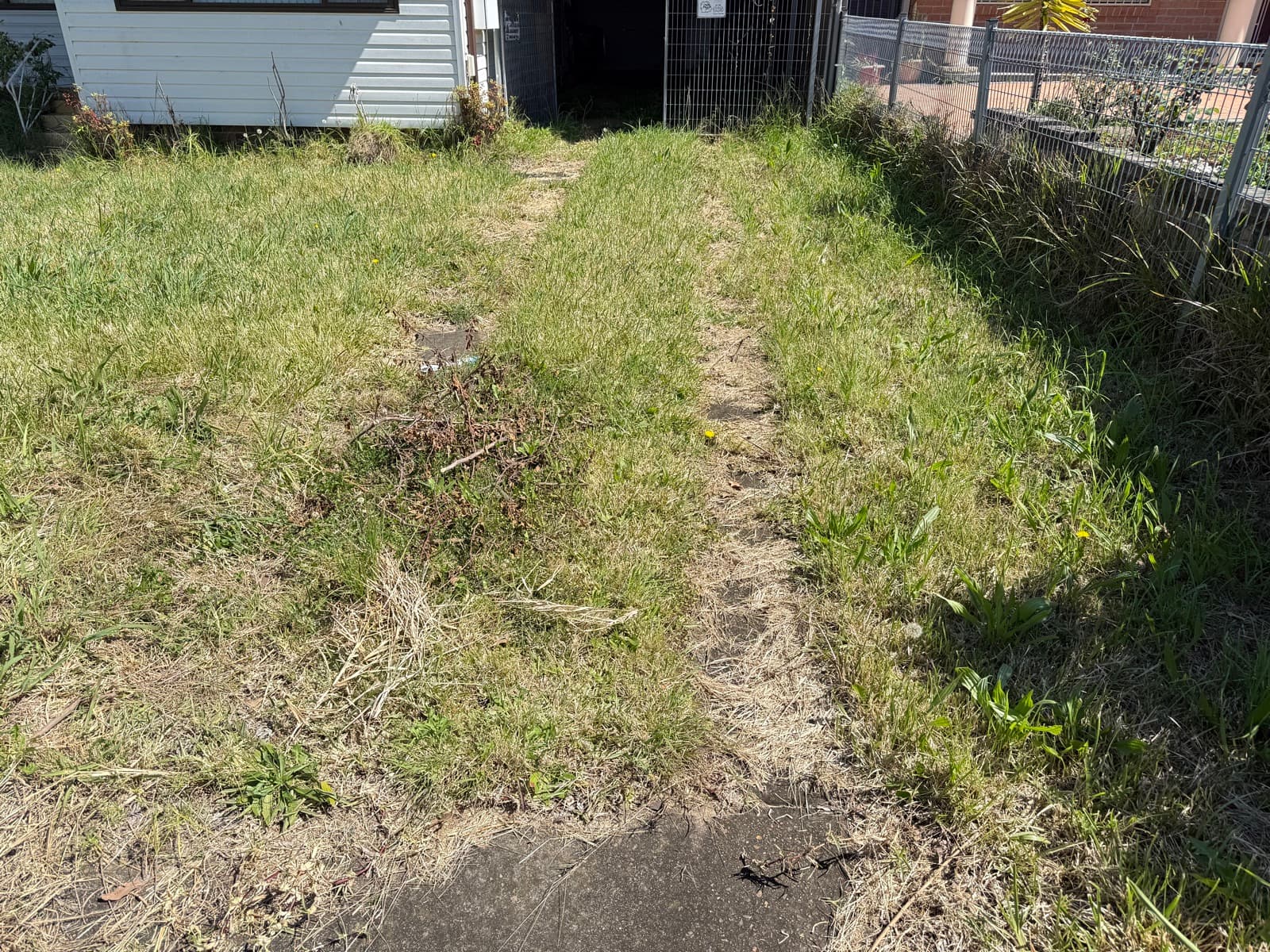
Sydney's winters are mild — the lawn doesn't die, it just sulks. Whether yours coasts through to October looking respectable or sits there yellow and patchy from June comes down to what you do in the six weeks before winter properly hits.
This is the autumn checklist we run through on every property we manage on a seasonal lawn plan. Six tasks, all doable across two weekends, in roughly the order you should tackle them.
Why autumn matters more than spring
Spring is when the lawn looks good — that's the reward. Autumn is when you earn it. Warm-season grasses (kikuyu, buffalo, couch) are still actively growing through April and into early May in Sydney. That growth is the last chance of the year to push nutrients into the root system, repair summer wear, and harden off the leaf for winter.
Skip autumn prep and the grass goes into dormancy underfed. It survives, but it loses density, weeds get in through winter, and you spend the first half of spring playing catch-up rather than enjoying the lawn.
1. Aerate compacted areas
Sydney clay soils — particularly out west through Fairfield, Cabramatta and Liverpool — compact hard over a long summer of foot traffic, dog runs and dry weather. Compacted soil means water runs off instead of soaking in, roots can't push down, and the lawn shallows out.
Late February through March is the window. The grass is still growing fast enough to recover from the punctures within a week or two.
DIY: Aerator sandals from Bunnings work for small lawns but are slow and uneven. A manual coring fork (the kind that pulls plugs out) does a better job on a 50–80 sqm front lawn.
When to call a pro: Anything over 150 sqm, anywhere obvious water pools after rain, or if you've never aerated and the lawn is more than five years old. We use a powered core aerator that pulls 75 mm plugs across the whole surface in about 40 minutes for an average backyard.
The plugs left on top look ugly for three or four days, then break down on their own. Don't rake them off.
2. The last proper fertilise
This is the single highest-return job of the autumn calendar. We covered the why in detail in our Autumn Reset post, but the short version: a winterise blend (low nitrogen, high potassium) applied in late March or early April builds cold tolerance, disease resistance and root strength heading into the dormant period.
For Sydney conditions:
- Kikuyu responds aggressively to autumn feed — don't be tempted to push more nitrogen, you'll get a flush of soft growth that frost-burns at the first cold morning.
- Buffalo (Sir Walter, Palmetto, Sapphire) wants the potassium hit more than nitrogen. It's a slower grower and appreciates the cell-wall strengthening before winter shade and humidity bring on grey leaf spot.
- Couch is similar to kikuyu but needs a slightly later application — early April is fine.
Water the fertiliser in within 24 hours. A dry-applied fertiliser sitting on a leaf for three days will burn the tips.
3. Adjust mowing height upward
Through summer you've probably been cutting low — 25–30 mm for couch, 35 mm for kikuyu, 45 mm for buffalo. From mid-March, raise the mower one notch on every cut until you hit the winter target:
- Buffalo: 50–55 mm
- Kikuyu: 40 mm
- Couch: 25–30 mm (couch tolerates a low cut year-round)
Longer leaf catches more low-angle winter sun, shades the soil enough to slow weed germination, and protects the crown from cold mornings. Going into winter scalped is the most common mistake we see — lawns in the Hills District and Sutherland Shire that got a tight cut in late April sit yellow until October.
If you're not sure what grass you have, our kikuyu vs buffalo guide breaks down the visual differences.
4. Stay on top of leaves
Leaves smother turf. A week's worth of leaf cover blocks light, holds moisture against the crown, and creates the exact damp microclimate fungal disease loves. Properties with mature jacarandas, plane trees, liquidambars or Japanese maples — common across Parramatta, Strathfield and the Inner West — need a leaf strategy through April and May.
Three approaches:
- Mulch-mow with the catcher off if the layer is light. The chopped leaf works back into the soil as free fertiliser.
- Catch-mow if the layer is more than 20 mm. Bin diseased or mouldy leaf — don't compost it.
- Blow + bag for under-tree zones, then run the mower over what's left.
Don't let the leaves win. We pick this up as part of the lawn and garden service and cart away the volume on the same visit if needed.
5. Reduce watering — but don't stop
Sydney autumn evapotranspiration drops fast through April. The lawn needs roughly half the water it needed in February. Overwatering in autumn is a common cause of fungal disease — the leaf stays wet too long, particularly overnight.
Rough autumn schedule:
- Early March: 2 deep waterings per week
- Late March: 1 deep watering per week
- Mid-April onward: only if there's been no rain for 10+ days
Always water in the morning, never the evening. An evening watering leaves the leaf wet through the cold part of the night and that's a fungal-disease invitation.
If you have automatic irrigation, this is the time to turn the controller down. Most Sydney homes leave the summer schedule running into May and end up with brown patches from disease, not drought.
6. Hit the winter weeds early
Late autumn is the prime window for knocking out winter-grass (Poa annua), bindii, and clover before they establish through the dormant period. Once the lawn slows down and stops competing, weeds take over the gaps.
Selective herbicide on a calm, dry day is the efficient option. Bindii in particular needs to be killed before the seed pods form — once they harden through winter, you've got barefoot hazards all summer.
Hand-weeding is fine for small infestations and lawns where you don't want chemicals (homes with kids and dogs barefoot on the grass — common request from clients in Bossley Park and Edensor Park).
Buffalo lawns: be careful with herbicide selection. A lot of the cheap supermarket "lawn weeders" damage soft-leaf buffalo. Read the label, or stick with a buffalo-safe brand like Bow & Arrow.
Bundle it or stretch it
Six tasks across April and May is the part that doesn't happen for most people. The mowing gets done, the fertiliser is forgotten, the leaves win, and by August the lawn is a mess.
We run this as a single half-day visit on the Autumn Reset bundle — final cut at the right height, winterise fertilise, leaf clearance, weed pass, edges, and aeration on request. Pricing depends on property size; the pricing guide has rough numbers, or send through a couple of photos via the quote form for a fixed price.
About XSCAPE Pressure & Lawn
XSCAPE is a Fairfield-based lawn care and pressure washing crew servicing all of Sydney — from our home base across Cabramatta, Liverpool, Bossley Park and Parramatta out to the Hills District, Sutherland Shire and Inner West. We're insured, properly equipped, and we turn up when we say we will. Get a quote for autumn lawn prep, regular maintenance, or a one-off reset.
Get a quote
Need the work done? Get a fixed price in your inbox today.
Send through a few photos and we'll come back with a real number — not a “from” range.
Keep reading
More from the blog

Pressure Washing Cost Sydney: 2026 Price Guide
Real Sydney pressure washing prices — driveways from $179, full house exteriors from $299, decks per sqm. What drives the price up, and why the cheapest quote is usually the most expensive.

Soft Wash vs Pressure Wash: Which Does Your Home Need?
Pressure wash and soft wash are not the same job. Here's the PSI, the chemicals, the surfaces each one suits, and when picking the wrong method will cost you a render repair.

When to Mow Your Lawn in Sydney: Seasonal Guide
How often to mow buffalo, kikuyu and couch in Sydney across spring, summer, autumn and winter — including when to skip a cut entirely. Written by an actual Sydney lawn crew.